
Understanding Milk Vending Machine Regulations UK Farms Must Consider

Researching milk vending machine regulations UK requirements should be one of the first steps in any farm vending project.
Installing the machine is only part of the process. You may also need to register a food business, agree food-safety procedures, confirm whether planning permission is required and make sure the proposed site has suitable access, utilities and customer facilities.
The exact requirements will depend on your location, the type of milk sold, how it is processed, whether flavours are added and how the vending area is constructed. Rules also differ across the UK.
This guide provides a practical overview, not formal legal, planning or food-safety advice. Always discuss your proposal with the relevant local authority, food-safety professionals and other regulators before purchasing or installing equipment.
EEM Group can help you consider the equipment and practical site requirements for an EEM milk vending machine. Contacting the team early can help you prepare a more detailed proposal before approaching your local authority.
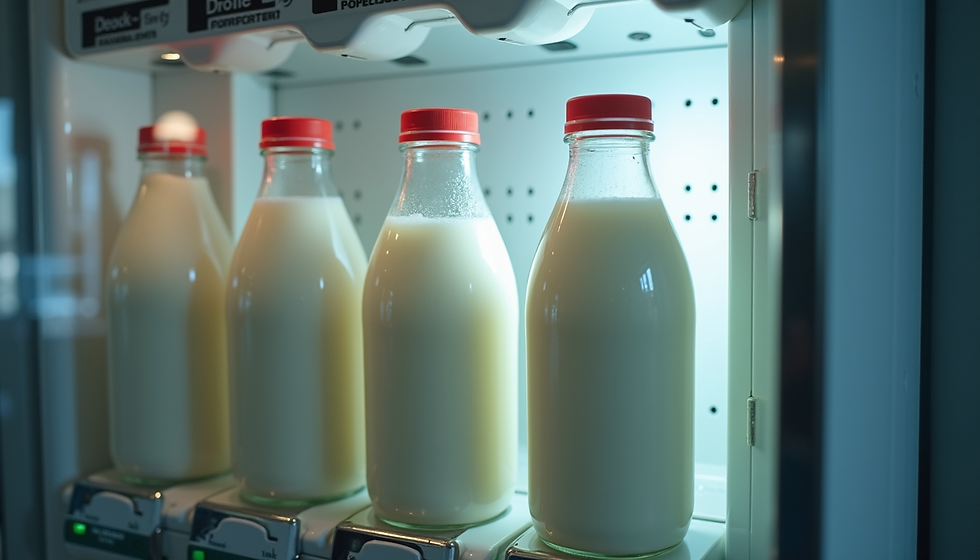
Food-business registration and local authority involvement
A farm selling milk directly to consumers is operating a food business.
The Food Standards Agency states that a new food business must be registered with its local authority at least 28 days before trading or food operations begin. Registration is generally free and cannot be refused, but the local authority may contact or inspect the business after registration.
Depending on the nature of the operation, additional registration or approval requirements may apply to the milk-production holding, processing operation or premises. The correct route should be confirmed with your local environmental health or food-safety team.
Speak to the authority before installation
Do not wait until the machine is delivered before making contact. Early discussions can clarify:
Which food-business activities need registering
Whether the premises require approval rather than registration alone
Which food-safety management system is appropriate
Whether proposed processing and vending areas are suitable
What inspection, sampling or testing arrangements may apply
Which records the authority expects you to maintain
EEM can help you define your proposed vending setup, capacity and supporting equipment so that you can present the authority with clear information. Explore the wider EEM farming solutions available for farm retail projects.
Food hygiene, temperature control and cleaning
Food businesses must create and follow a system for managing food safety. This should identify relevant hazards and explain how they will be controlled, monitored and recorded. The government’s food-hygiene guidance highlights cleaning, chilling and the prevention of cross-contamination as core responsibilities.
Temperature control and monitoring
Milk is a chilled product, so the system must store and dispense it at an appropriate temperature.
In England, Wales and Northern Ireland, government guidance states that chilled food must generally be kept at 8°C or below. Setting refrigeration equipment at 5°C or below can provide a margin for temperature changes during normal operation.
Your operating procedures should cover:
How often temperatures are checked
Whether readings are recorded automatically or manually
Who responds to temperature alerts
What happens to milk following a refrigeration failure
How milk is handled during transfer and refilling
How long product may remain in the machine
Ask EEM about machine refrigeration, monitoring and capacity when discussing the most suitable milk vending solution for your site.
Cleaning and sanitisation
A documented cleaning schedule should identify what is cleaned, how it is cleaned, which products are used and who is responsible.
This may include the milk tank, pipes, dispense area, nozzles, customer contact surfaces and any reusable containers used while transferring milk. Procedures should also deal with cross-contamination, chemical storage and verification that cleaning has been completed properly.
Staff handling milk or maintaining food-safety procedures must receive suitable instruction, supervision and training.
Raw milk and pasteurised milk are treated differently
The regulatory position can change significantly depending on whether you intend to sell raw or pasteurised milk.
Raw drinking milk has not received the heat treatment used in pasteurisation. It therefore carries specific public-health risks and is subject to additional controls.
The Food Standards Agency maintains separate raw drinking milk guidance for England, Wales and Northern Ireland, covering registration, sales, sampling, testing and other controls. The guidance was most recently updated on 30 June 2026.
In Scotland, selling raw milk or raw cream for direct human consumption is prohibited, including milk from any farmed species.
Do not assume that an approach permitted in one part of the UK will be allowed elsewhere. Sales routes, species, processing methods and labelling requirements may also affect the position.
Before deciding what product to offer, ask the relevant authority:
Can this type of milk legally be sold through the proposed machine?
Does the production holding require further registration?
What microbiological testing or sampling is required?
Are specific warnings or notices required?
Are there restrictions on where or how the milk can be sold?
Labelling, allergens and customer information
The information customers need will depend on whether the milk is sold loose, filled into reusable bottles or packaged before sale.
Official FSA guidance explains that food sold loose must be accompanied by allergen information. Food packaged for sale may require the food name, ingredients and allergen information, alongside other mandatory particulars depending on how it is packaged and sold.
Milk itself is one of the regulated allergens. If you add flavour syrups or other ingredients, you must also review every ingredient for further allergens and communicate the information accurately.
Flavoured milk and syrup stations
Where customers can add flavours, your procedures should consider:
Full ingredient and allergen information for each syrup
Possible cross-contact between flavour stations
Cleaning of pumps, hoses and dispense points
Changes in syrup formulation by the supplier
Clear customer instructions
Staff training on allergen questions
The FSA provides detailed technical guidance for manufacturers, producers, retailers and other food businesses on complying with allergen information requirements.
Traceability and record keeping
Traceability allows a food business and the authorities to identify affected products quickly if a safety problem occurs.
Businesses must maintain records identifying suppliers of food and ingredients, as well as businesses supplied with food. Records may include names and addresses, product types, quantities, transaction dates, batch information, invoices and receipts. They must be current and available during an inspection.
For a milk vending operation, useful records may include:
Milk batches loaded into the machine
Processing or pasteurisation information
Temperature records
Cleaning records
Ingredient and syrup batch numbers
Product testing results
Maintenance and breakdown records
Waste and disposal records
Actions taken following a food-safety concern
Your food-safety adviser or local authority can confirm the records required for your operation.
Planning permission, access and site safety
Food compliance does not automatically mean the site has planning approval.
A new vending hut, converted agricultural building, external machine, signage, lighting or customer parking area may require planning permission, prior approval or another consent. Government guidance states that planning permission is required where land or buildings change from farming to another use, although some agricultural permitted development rights may apply.
The Planning Portal recommends contacting the local planning authority where a change of use is proposed, because the need for permission or prior approval depends on the proposal and local circumstances. It also notes that planning regimes differ between England and Wales.
Discuss:
Change of use
New buildings, cabins or containers
External alterations
Advertising signs and lighting
Customer opening hours
Noise and impact on neighbours
Vehicle movements
Parking capacity
Highway visibility and safe access
Pedestrian routes around the working farm
A vending site should not direct members of the public through an unsafe yard or create vehicles queuing on the highway. Consider separate customer parking, lighting, accessible routes, CCTV and barriers between customers and normal agricultural operations.
Electrical, water and installation requirements
The proposed location must support the machine safely and hygienically.
Confirm the manufacturer’s requirements for:
Electrical supply and protective equipment
Water supply and water quality
Drainage or wastewater disposal
Ventilation
Refrigeration clearance
Internet or mobile connection for payment systems
A level and secure base
Weather protection
Maintenance access
Electrical work should be designed and completed by a competent professional. Water and drainage arrangements should also be reviewed as part of the food-safety and site-planning process.
EEM can discuss the technical needs of its machines and help you identify the practical questions that should be addressed before installation.
Questions to ask your local authority
Before committing to a machine or building work, ask:
Which registrations or approvals apply to our proposed operation?
Which department will inspect the milk-production and vending activities?
Is raw milk vending permitted for our product and location?
What food-safety management documentation is expected?
What testing, sampling and temperature records are required?
What labelling and allergen information must customers receive?
Does the site require planning permission or prior approval?
Are there concerns about access, parking, lighting or opening hours?
Will building regulations or drainage consent apply?
Should we obtain specialist food-safety or planning advice?
Keep a written record of the advice received and confirm important decisions in writing.
Pre-installation compliance checklist
Before installation, confirm that you have:
Contacted the local food-safety or environmental health team
Registered the food business within the required timeframe
Confirmed whether additional approval is necessary
Chosen between raw and pasteurised milk based on applicable rules
Prepared a documented food-safety management system
Agreed temperature-monitoring procedures
Created cleaning and sanitisation schedules
Reviewed labelling and allergen information
Established traceability and recall records
Checked planning and change-of-use requirements
Reviewed highway access, parking and customer safety
Confirmed electrical, water, drainage and connectivity requirements
Arranged appropriate staff training
Obtained professional and regulatory advice where necessary
Get Help with Milk Vending Machine Regulations with EEM Group
Understanding milk vending machine regulations UK farms may encounter is essential before equipment is ordered or site work begins.
Requirements vary according to the product, sales model, location and local authority. This article is a starting point only and should not replace advice from regulators, food-safety consultants, planning professionals or qualified contractors.
EEM Group can help you explore the machine capacity, payment options, milkshake stations and wider farm vending setup that may suit your business. Read more about why EEM Group is a trusted milk vending machine supplier, then speak to the team about your plans.
Planning a milk vending project? Explore EEM milk vending machines and contact EEM Group for a site-specific discussion before choosing your equipment.

